Transfer of Japan's largest OSA grant to boost maritime domain awareness, says military spokespersons
 |英字
By Robina Asido
The transfer of military-grade coastal surveillance radar and unmanned aerial vehicles (UAV) from Japan will further boost the maritime domain awareness capability of the Armed Forces of the Philippines (AFP), a military spokesperson said Tuesday.
Foreign Affairs Secretary Maria Theresa Lazaro and Japanese Ambassador to the Philippines Kitagawa Katsuro signed and exchanged diplomatic notes for the transfer of Japan's largest Official Security Assistance (OSA) grant to the Philippines in a ceremony on Monday.
This grant, amounting to 4.3 billion yen or P1.723 billion, is also the first defense equipment transfer since the OSA program of Japan launched in 2023.
In a press briefing, Col. Alvin Jay Capinguian, Philippine Air Force (PAF) spokesman, said the signing and exchange of notes "highlights the continuing strengthening of relations between Japan and the Philippines."
"The Philippine Air Force welcomes this development; that new asset will be a boost to our very own existing ISR assets," he added.
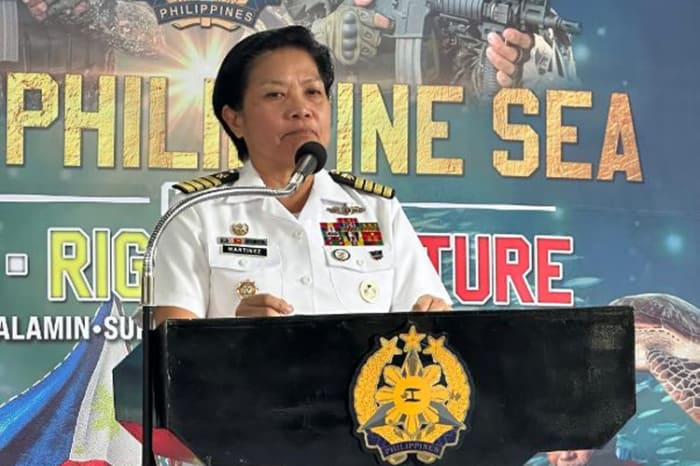
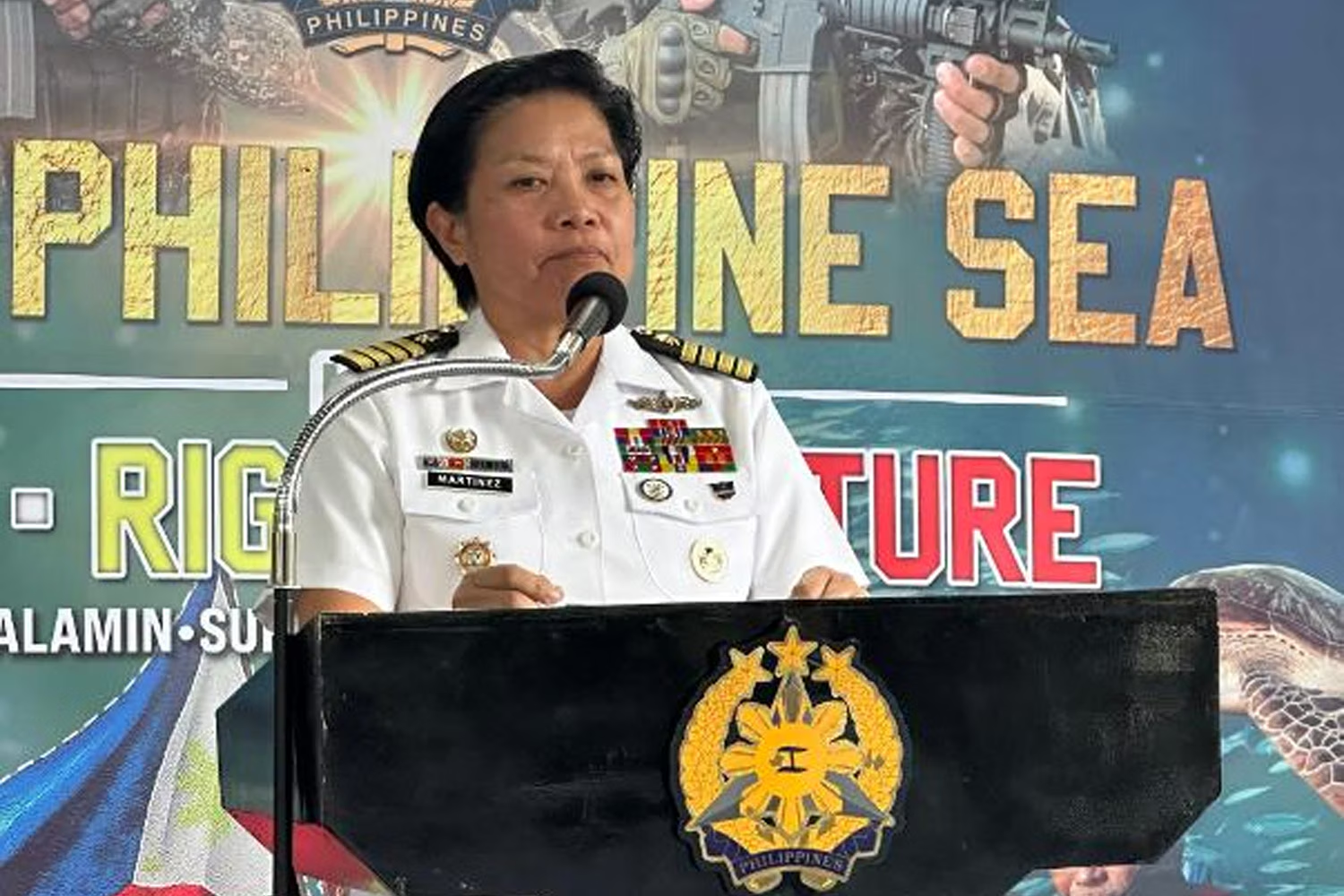
Captain Marissa Martinez, Philippine Navy spokesperson, also stressed that the Philippine Navy greatly values Japan's continued support through the official security assistance,
"This would further enhance the maritime domain awareness capability of the Philippine Navy and the Armed Forces of the Philippines. Most especially, it would support the 360-degree maritime domain awareness of the CADC or the Comprehensive Archipelagic Defense Concept, as well as the Active Archipelagic Defense strategy of the Philippine Navy," she said.
In an interview with reporters during the signing and exchange of notes on Monday, First Secretary Koh Nakamura of the Embassy of Japan in the Philippines explained that unlike the previous radar system transferred to the AFP, the coastal surveillance radar system under the 2026 OSA is "military-grade".
Martinez said a military-grade coastal surveillance radar system can "meet the demands and technical requirements" of the Navy.
"If I say military-grade, it meets the demands and technical requirements of the Navy in terms of performance, in terms of accuracy, in terms of reliability, in terms of reach, and in terms of its integration to our systems," she said.
When asked where the radar will be placed, Martinez said the "Philippine Navy will be assessing the best places to position these coastal surveillance radars."
"It would be aligned to our strategic basing, and it will also be aligned with our active archipelagic defense strategy, wherein we have to have a 360-degree situational awareness of our maritime domain," she said.
"The positioning will be determined by the Philippine Navy, and it will surely be placed in key maritime areas where surveillance is vital," she added. PHS