Marcos brings record exports, new upper-middle-income status to APEC to draw jobs and investment
 |英字
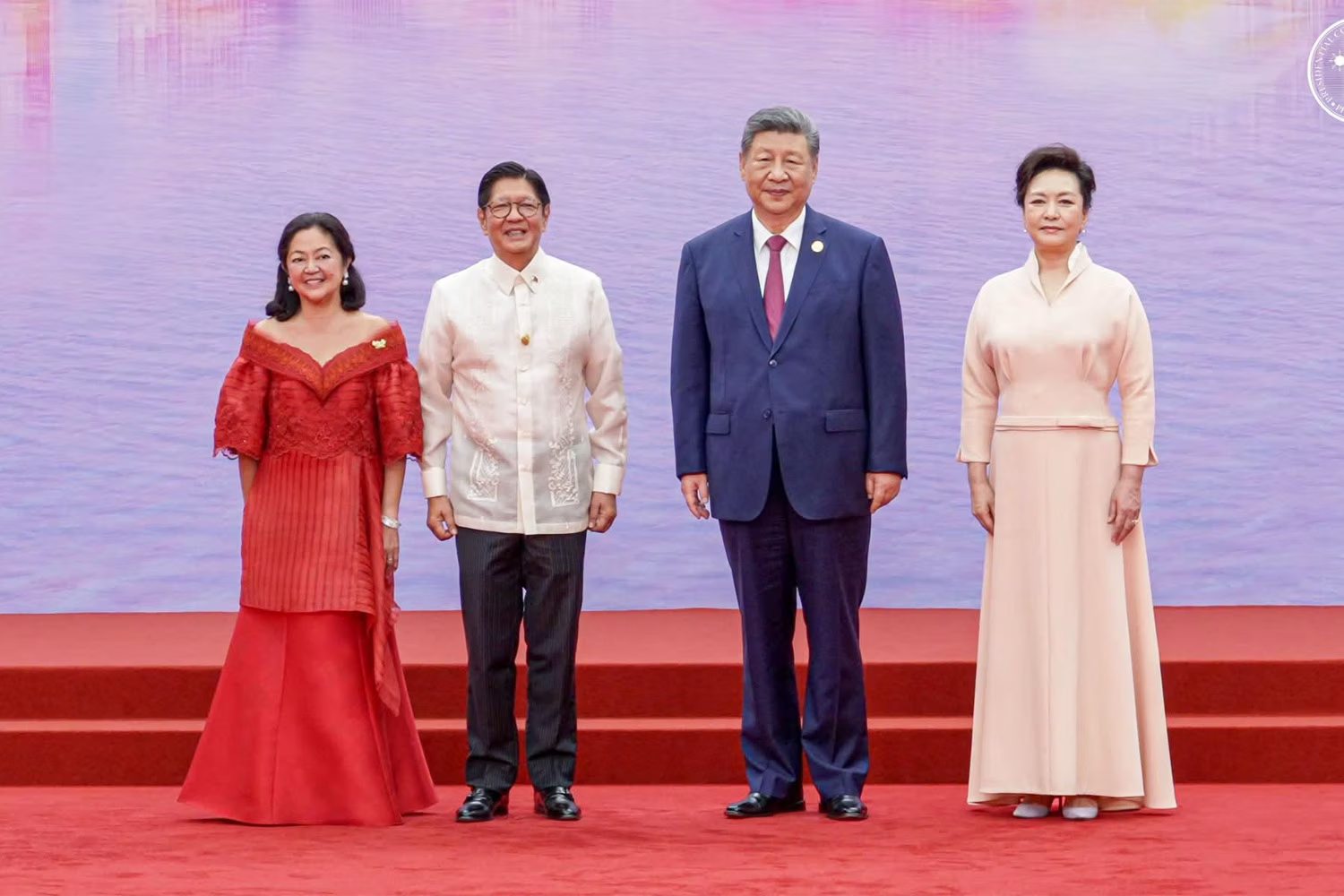
The Philippines goes to APEC with a stronger economy behind it.
On July 1, after nearly four decades, the Philippines was reclassified as an upper-middle-income economy.
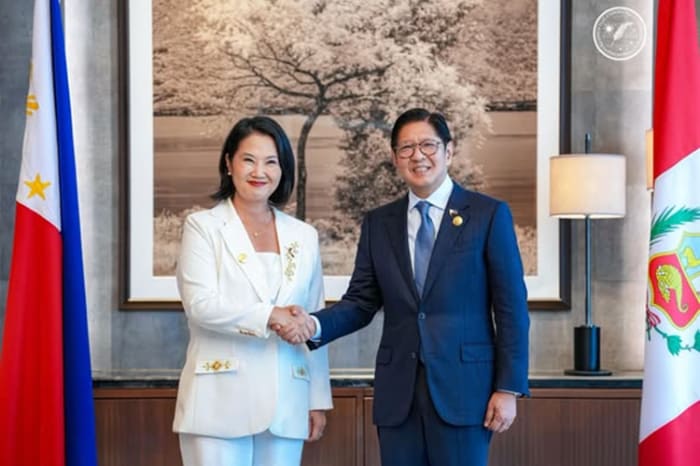
President Ferdinand Marcos Jr. will meet fellow leaders and the business community on the sidelines of the 33rd Asia-Pacific Economic Cooperation (APEC) Economic Leaders’ Meeting in Shenzhen, China to deepen trade ties and attract investment.
“Our message is clear: the Philippines is open for business. Invest in the Filipino,” President Marcos said in his departure statement.
Marcos highlighted the country’s economic gains, including record-high exports of $84.5 billion in 2025 and the expansion of its free trade network, as he expressed confidence in the Philippines’ ability to attract more investments and create jobs.
“We are also building the widest and most active free trade network in our history,” the President said.
The President said his participation in APEC provides an opportunity to build on these gains by promoting the Philippines as an investment destination, opening new markets for Filipino products and talent, and strengthening partnerships that could generate more quality jobs.
“We are committed to opening new markets for Filipino products and talent, accelerating digital transformation, and building partnerships that bring investment and quality jobs to our economy,” Marcos said.
APEC is a regional economic forum established in 1989 to promote trade, investment, and economic cooperation across the Asia-Pacific region. It comprises 21 member economies, including the Philippines, China, Japan, the United States, Singapore, and other major trading partners.
Marcos emphasized the region’s importance to the global economy, noting that APEC accounts for 37 percent of the world’s population, 61 percent of global gross domestic product (GDP), and 46 percent of global trade in goods and commercial services.
The President also cited projections that APEC economies will grow by 3.4 percent this year, outpacing global economic growth, with investments in digital technology and artificial intelligence (AI) among the key drivers.
China is hosting this year’s APEC meetings under the theme “Building an Asia-Pacific Community to Prosper Together,” with Openness, Innovation, and Cooperation as its three priorities.
Marcos said these priorities are closely aligned with the Philippines’ national development agenda, particularly in expanding trade, attracting investments, and accelerating digital transformation.
On the sidelines of the summit, the President is expected to hold meetings with fellow APEC leaders and business executives to discuss opportunities for greater trade, investment, and economic cooperation.
The President also expressed readiness to engage China on areas of mutual economic interest while maintaining the Philippines’ position on matters involving its national interest.
“We will engage China constructively on expanding trade, investment, and people-to-people exchanges that benefit our peoples, even as we remain steadfast in upholding our national interest,” President Marcos said.
The Philippines is among APEC’s founding members and has hosted the APEC Economic Leaders’ Meeting twice, in 1996 and 2015. Presidential News Desk